Cancer Prevention Through Lifestyle
Lifestyle factors meaningfully modify cancer risk: exercise boosts NK cell function and reduces inflammation, obesity drives multiple cancers through metabolic pathways, alcohol is a Group 1 carcinogen, and sulforaphane and omega-3 have protective evidence. Early detection via liquid biopsies (Galleri) and standard screening (colonoscopy, mammography) catches cancer at treatable stages. Prevention is preferable to detection.
Viewpoints

Rhonda Patrick: Cruciferous vegetables and sulforaphane activate tumor suppressor genes
Rhonda Patrick
“Cruciferous vegetables (broccoli, kale, cabbage, Brussels sprouts) contain bioactive compounds called sulforaphanes and isothiocyanates that upregulate tumor suppressor gene expression, enhancing the body's ability to detect and eliminate damaged or precancerous cells. These compounds have also been shown in studies to directly kill existing cancer cells. Daily consumption of cruciferous and dark leafy green vegetables is therefore presented as a foundational dietary strategy for cancer prevention.”
Key Moments
Rhonda Patrick: How random DNA damage leads to cancer through tumor suppressor gene mutations
Rhonda Patrick
“Cancer arises partly through random DNA damage that can strike tumor suppressor genes — the very genes responsible for detecting and triggering programmed cell death (apoptosis) in cells with irreparable damage. When a tumor suppressor gene is mutated, cells lose a critical defense mechanism and can proliferate unchecked. Crucially, the more total DNA damage that accumulates in an organism, the greater the probability that at least some of it will land in a tumor suppressor gene, making overall DNA damage reduction a key principle of cancer prevention.”

Huberman: Early cancer detection via liquid biopsy and whole-body imaging
Andrew Huberman
“Liquid biopsy technology (Galleri test) can detect circulating tumor DNA fragments in the bloodstream, identifying up to 50 cancer types roughly 1–3 years before they appear on conventional imaging, with a false-positive rate of approximately 0.5% and ~75% sensitivity for early-stage cancers. Complementary whole-body MRI scans have similarly revealed previously unknown brain tumors and aneurysms, enabling life- saving intervention before symptoms arise. Together, these emerging screening tools represent a significant shift in cancer prevention strategy from reactive treatment to proactive early detection.”
Peter Attia: 278 ‒ Breast cancer: how to catch, treat, and survive breast cancer | Harold Bur
Peter Attia
“more people of cancer than anything else we do in oncology so aside from surgery itself uh so these are really important medicines um from the global battle against uh breast cancer and um uh while there are legion side effects and we spend a lot of time in clinic addressing those and talking about them and alerting patients to them and managing them these remain really important medicines for invasive breast cancer uh for for pre- invasive cancers uh like dcis and for prean erous lesions um it's”
Rhonda Patrick: cruciferous vegetables activate tumor suppressor genes and kill cancer cells
Rhonda Patrick
“Cruciferous vegetables such as broccoli, kale, and Brussels sprouts contain bioactive compounds called sulforaphane and isothiocyanates that upregulate tumor suppressor gene expression, enabling the body to detect and eliminate precancerous cells before they acquire cancer-causing mutations. These compounds have also been shown in studies to directly kill already-formed cancer cells, making daily consumption of cruciferous vegetables a meaningful dietary strategy for cancer prevention.”
Rhonda Patrick: Sulforaphane as a multi-mechanism cancer prevention compound
Rhonda Patrick
“Sulforaphane, found abundantly in broccoli sprouts, significantly enhances the body's excretion of carcinogens like benzene and acrolein, and has demonstrated clinical relevance by slowing PSA doubling time in prostate cancer patients by approximately 86% at 60mg/day. Preclinical evidence across multiple cancer types—including breast, prostate, and colon—consistently shows sulforaphane reduces tumor burden, lowers metastasis, and can decrease tumor growth by over 50% in animal models. Incorporating cruciferous vegetables, especially broccoli sprouts, into the diet represents a well-supported dietary strategy for cancer prevention.”
Rhonda Patrick: Sulforaphane reduces oxidative DNA damage and cancer risk
Rhonda Patrick
“Sulforaphane, a compound found in cruciferous vegetables, activates the Nrf2 pathway, which deactivates enzymes that convert procarcinogens into carcinogens and upregulates antioxidant and anti-inflammatory systems. Human studies demonstrate that regular consumption of cruciferous vegetables like watercress (85g/day), broccoli (250g/day), and Brussels sprouts (300g/day) reduces oxidative DNA damage by 24–41%. Since DNA damage accumulates over decades and underlies oncogenic mutations, reducing it through dietary sulforaphane represents a meaningful cancer prevention strategy.”
Rhonda Patrick: Sulforaphane reduces carcinogen exposure and slows cancer progression
Rhonda Patrick
“Sulforaphane, found in high concentrations in broccoli sprouts, increases urinary excretion of carcinogens like benzene and acrolein within 24 hours of consumption. In men with low-grade prostate cancer, approximately 60mg daily slowed PSA doubling time by ~86%. Preclinical evidence across multiple cancer types consistently shows sulforaphane reduces tumor burden and metastasis, including reducing breast cancer tumor growth by over 50% in animal models.”

Rhonda Patrick: Exercise reduces circulating tumor cell survival and improves cancer treatment outcomes
Rhonda Patrick
“Exercise during cancer treatment reduces the survival of circulating tumor cells by increasing blood shear stress, making it harder for these cells to spread. Low muscle mass is a key driver of cancer recurrence and death, and patients who exercise during chemoradiation therapy are more likely to achieve complete tumor response before surgery. Exercise has moved from the fringe to a core pillar of oncology, relevant to both cancer prevention and treatment.”
Rhonda Patrick: sulforaphane may help prevent cancer but caution is warranted for active/metastatic disease
Rhonda Patrick
“Sulforaphane and NRF2 upregulation are likely valuable in a cancer-preventive context by supporting cellular detoxification, but this same mechanism may be counterproductive in active or metastatic cancer, where rapidly dividing cancer cells could potentially benefit from enhanced mitochondrial protection and detoxification capacity—including detoxification of chemotherapy drugs. Given insufficient human clinical data and mixed animal model results on NRF2 modulation in cancer, caution is warranted before using sulforaphane therapeutically once cancer is diagnosed.”
Rhonda Patrick: Caloric restriction mimetics synergize with chemotherapy via autophagy and immune response
Rhonda Patrick
“Caloric restriction mimetics — including spermidine, hydroxycitrate, and resveratrol — enhance the anti-cancer immune response when combined with chemotherapy, making the therapy more durable. This synergy depends on autophagy-driven release of extracellular ATP in malignant cells and requires intact T-cell activity; blocking autophagy or removing T-cells abolishes the beneficial interaction. Specific gut bacteria that overproduce polyamines may also play a role in reducing colon cancer development and slowing aging.”
Rhonda Patrick: Caloric restriction mimetics enhance chemotherapy via autophagy and T-cell immune response
Rhonda Patrick
“Caloric restriction mimetics (such as spermidine and hydroxycitric acid) enhance the effectiveness of chemotherapy by inducing autophagy in malignant cells, which releases extracellular ATP and activates a T-cell-mediated immune response — without T-cells, the tumor-reducing benefit disappears. In mouse models, spermidine supplementation alone, without caloric restriction, is sufficient to induce autophagy and even counteract weight gain from high-fat diets, though human clinical data remain lacking.”
Rhonda Patrick: Spermidine, autophagy, and microbiome-mediated cancer prevention
Rhonda Patrick
“Spermidine, a polyamine found in foods like natto, fermented cheese, and certain vegetables, can induce autophagy and is partially produced by gut microbiota—roughly one-third of the body's spermidine originates in the intestine. Specific probiotic bacterial strains that overproduce polyamines have been shown in research to reduce colon cancer development and slow aging. This suggests that dietary and microbiome-based manipulation of spermidine levels may be a viable cancer- prevention strategy.”
Rhonda Patrick: Exercise as a pillar of cancer treatment and prevention
Rhonda Patrick
“Exercise plays a critical role in both cancer prevention and treatment through multiple mechanisms: it reduces circulating tumor cell survival via increased blood shear stress, preserves muscle mass that is strongly linked to recurrence and mortality risk, and improves treatment outcomes — patients who exercised during chemoradiation therapy showed higher rates of complete tumor response before surgery. Exercise is no longer fringe oncology but is now considered a core pillar of cancer care.”
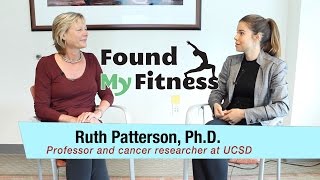
Patterson: lifestyle factors driving breast cancer risk
Rhonda Patrick
“Obesity, physical inactivity, poor diet quality, and tobacco use are the primary modifiable lifestyle factors linked to breast cancer risk and recurrence. Identifying individual foods or nutrients that reduce risk has proven difficult, but overall dietary patterns such as the Mediterranean diet are increasingly recognized as influencing cancer risk over decades.”
Guest Expert: Exercise during cancer treatment improves tumor response rates
Rhonda Patrick
“Exercise during chemoradiation therapy improves tumor oxygenation, which enhances both radiosensitivity and drug delivery to tumors. In a clinical study of rectal cancer patients undergoing neoadjuvant chemoradiation, those who exercised were significantly more likely to achieve a complete pathological response—meaning tumors were entirely eliminated before surgery. This suggests exercise is not merely a lifestyle adjunct but a mechanistically active component of cancer treatment.”
Rhonda Patrick: Exercise benefits span the entire cancer care continuum
Rhonda Patrick
“Exercise provides benefits across every stage of cancer care — from diagnosis through treatment completion, recovery, and long- term survivorship. It helps patients tolerate and complete treatments, reduces mortality risk, lowers cancer recurrence rates, and alleviates the psychological burden of ongoing surveillance after remission. There is no point in the cancer journey at which exercise ceases to be beneficial.”
Powered by Symmerai — a living index of public discourse. Request early access →
Related concepts
Other relevant clips

Dr. Peter Attia on Mastering Longevity – Insights on Cancer Prevention, Heart Disease, and Aging
Rhonda Patrick
“…ct when you talk about it globally the gap between asbd and cancer is even bigger it's like 19 million people annually to 12 or 13 million for cancer I mean it's an enormous difference um but the good news is our understanding mechanistically of what drives th”
The Science of Exercise for Cancer | Kerry Courneya, PhD
Rhonda Patrick
“about why effortful exercise is not only beneficial for cancer but also for health in general yeah as as you know from previous podcast exercise has a lot of benefits for the cardiovascular system the muscular system the immune system uh and many other organs”
Ruth Patterson, Ph.D. on Time-Restricted Eating in Humans & Breast Cancer Prevention
Rhonda Patrick
“…ople have in their minds, at least in the context of breast cancer, many women think about risk factors being genetic, you know, there are certain gene polymorphisms which are variations in the sequence of DNA that alter the function somewhat that can put a wo”
The Science of Exercise for Cancer | Kerry Courneya, PhD
Rhonda Patrick
“…talked about there is like an 80% chance of getting breast cancer and very high with ovarian and some of these other ones so you're almost on a kind of genetic trajectory that would be very hard to stop you know with a lifestyle change so I haven't seen as mu”
Dr. Peter Attia on Mastering Longevity – Insights on Cancer Prevention, Heart Disease, and Aging
Rhonda Patrick
“in which people get cancer and if you just want proof positive on this I bet you there's not a single person listening to this not one who can't tell you of at least one person they know who's been Afflicted with cancer who otherwise did everything right they”
257 ‒ Cognitive decline, neurodegeneration, and head injuries: mitigation and prevention strategies
Peter Attia
“…it permeates into cardiovascular medicine it permeates into cancer it permeates into into everything and it's just created a bunch of silos of people who each have probably some uh some some truth and some expertise uh but are better you know equally limited b”
Dominic D'Agostino, Ph.D. on Modified Atkins Diet, Keto-Adaptation, Ketosis & More
Rhonda Patrick
“And, I mean, there's a case for viral origins of cancer, too, but these viruses are, sort of, the ones that damaged mitochondria, too. I've been, sort of, interested in the viral origins of cancer. It will influence how we prevent cancer. So in addition to dev”

252 ‒ Latest insights on Alzheimer’s disease, cancer, exercise, nutrition, and fasting
Peter Attia
“…on there's not a lot of literature on strength training and cancer prevention you you can find uh studies on you know strength training and cancer-related mortality but with prevention I really um it's it's sort of focused on for whatever reason on aerobic exe”