Exercise, BDNF, and Brain Health
Exercise is the most potent known stimulator of brain-derived neurotrophic factor (BDNF), a protein that supports neuronal survival, synaptic plasticity, and hippocampal neurogenesis. Aerobic exercise reduces depression and anxiety with effect sizes comparable to antidepressant medications, while chronically protecting against cognitive decline and Alzheimer's disease. Both aerobic exercise and resistance training benefit the brain through partially distinct mechanisms, and their combined effects appear additive. Exercise-induced BDNF increases after even a single session, making it one of the most accessible and evidence-backed cognitive enhancement strategies available.
Viewpoints
Rhonda Patrick: aerobic exercise acutely increases BDNF and supports hippocampal neurogenesis
Rhonda Patrick
“Aerobic exercise is the strongest known physiological stimulus for BDNF production. A single session of moderate aerobic exercise produces a measurable BDNF increase that persists for hours, and chronic training raises baseline BDNF levels substantially. BDNF supports survival of existing neurons, promotes synaptic plasticity critical for learning and memory, and drives neurogenesis specifically in the hippocampal dentate gyrus — one of two adult brain regions capable of generating new neurons. Higher BDNF levels are associated with larger hippocampal volume and better performance on memory and executive function tasks.”

Rhonda Patrick: exercise reduces depression and anxiety with effect sizes matching antidepressants
Rhonda Patrick
“Meta-analyses of randomized controlled trials consistently show that aerobic exercise reduces symptoms of clinical depression and anxiety with effect sizes comparable to antidepressant medications, and with fewer side effects. The mechanism involves BDNF upregulation, normalization of HPA axis function, increased serotonin and dopamine signaling, and reduced neuroinflammation. Exercise also improves structural brain measures including prefrontal cortex thickness and hippocampal volume — areas typically reduced in major depression — suggesting neuroprotective and neuroregenerative effects that go beyond mood management.”
Key Moments
Rhonda Patrick: resistance training produces cognitive benefits through IGF-1 and BDNF independent of aerobic exercise
Rhonda Patrick
“Resistance training produces cognitive benefits through mechanisms partially distinct from aerobic exercise: it strongly elevates circulating IGF-1 and irisin, both of which cross the blood-brain barrier and stimulate BDNF expression. Irisin — a myokine released by contracting muscle — has been shown to directly activate BDNF expression in the hippocampus. Studies show that resistance training improves executive function, working memory, and processing speed in older adults, even in the absence of aerobic training, suggesting a complementary and additive effect when both training modalities are combined.”
Rhonda Patrick: exercise timing and type for maximizing BDNF production and cognitive benefits
Rhonda Patrick
“Morning exercise before learning or cognitively demanding work amplifies memory encoding by elevating BDNF and norepinephrine at the time of information acquisition. High-intensity interval training produces greater acute BDNF surges than steady-state exercise, while zone 2 training builds sustained BDNF elevation through mitochondrial and vascular adaptations. Both the acute and chronic benefits are dose-dependent, with consistent moderate-to-vigorous activity throughout the lifespan associated with substantially reduced risk of dementia and cognitive impairment.”
Powered by Symmerai — a living index of public discourse. Request early access →
Related concepts
Other relevant clips
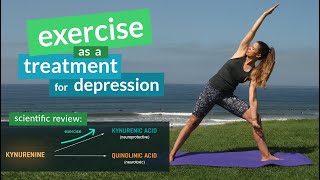
Exercise as a Treatment for Depression [Scientific Review]
Rhonda Patrick
“…e disorder stress and other factors can reduce BDNF whereas exercise consistently increases BDNF in serum which can cross the blood-brain barrier and have beneficial effects in the brain physical activity resulted in an average 32% increase in serum BDNF level”

The Longevity & Brain Benefits of Vigorous Exercise | Dr. Rhonda Patrick
Rhonda Patrick
“…ategies and things you can do particularly when it comes to exercise nutrition and even supplementation to improve cognition and enhance neuroprotection many of which are at least partially mediated through increases in brain derived neurotropic Factor levels”

Dr. Martin Gibala: The Science of Vigorous Exercise — From VO2 Max to Time Efficiency of HIIT
Rhonda Patrick
“…tainly intriguing, but you know, that link between lactate, BDNF, absolutely there appears to be a role for intensity there in terms of higher intensities, the better in terms of, you know, potential BDNF bathing the brain, some of these outcomes associated wi”
The Longevity & Brain Benefits of Vigorous Exercise | Dr. Rhonda Patrick
Rhonda Patrick
“…dementia so again um another reason why vigorous intensity exercise through that just generation of a lot of lactate then getting to the brain getting to the bloodb brain barrier has unique benefits on overall brain brain health uh it's important to know I gu”
Dr. Rhonda Patrick: Maximizing Healthspan with Exercise, Sauna, & Cold Exposure
Rhonda Patrick
“…e, human protocols, human data showing uh different type of exercise intensities can increase brain derived neurotrophic factor in the plasma where it's measured which correlates with brain levels as well. Um the more intense the exercise, the more BDNF that y”
Dr. Rhonda Patrick: Optimizing Longevity with Micronutrients & Vigorous Exercise
Rhonda Patrick
“…o increase these neurotransmitters as a response to intense exercise. Essentially, a lot of protocols out there for increasing BDNF, the Norwegian 4x4, anything that's really going vigorous. You want to be about 80% your max heart rate. You want to go out if y”
Dr. Martin Gibala: The Science of Vigorous Exercise — From VO2 Max to Time Efficiency of HIIT
Rhonda Patrick
“…s, and this is in humans, with lactate after high-intensity exercise. And it doesn't correlate with anything else, you know, glucose, like nothing. It's specific to the lactate. And like you said, it's a growing area of research. I'm particularly interested in”
Why Exercise Intensity Matters for Longevity | CrossFit for Health 2024
Rhonda Patrick
“…bloodb brain barrier and your brain is working hard during exercise and so lactate is fueling that your brain function during exercise but it's also increasing things like norepinephrine which is involved in focus and attention serotonin and there have been s”