Omega-3 Dosing and the Omega-3 Index
Optimal omega-3 dosing for cardiovascular and brain health requires 2 to 4 grams daily of combined EPA and DHA for most adults. The Omega-3 Index (EPA plus DHA as percent of red blood cell fatty acids) predicts cardiovascular risk; target is 8 percent or higher. High-dose prescription icosapent ethyl reduces triglycerides and cardiovascular events in specific populations. Recent controversy concerns atrial fibrillation risk at higher doses.
Viewpoints

Rhonda Patrick: omega-3 dosing reduces inflammation and triglycerides with age-dependent benefits
Rhonda Patrick
“Taking 2.4 grams of marine omega-3 fatty acids daily for three months reduced inflammatory cytokines (TNF-alpha, IL-6, IL-1 beta) more in older women (70% reduction in TNF-alpha) than younger women (58%), suggesting anti-inflammatory benefits amplify with age. High-dose EPA specifically reduced triglycerides by 18%, translating to a 25% reduction in major cardiovascular events in randomized controlled trials. These findings highlight specific dosing thresholds and measurable biomarker targets for omega-3 supplementation in cardiovascular and longevity contexts.”

Rhonda Patrick: 2g/day omega-3 raises index from 4% to 8%, with major longevity benefits
Andrew Huberman
“Supplementing with approximately 2 grams of omega-3s per day can raise an individual's omega-3 index from a low 4% to an optimal 8%, based on research by Dr. Bill Harris. Achieving a high omega-3 index is associated with a 5-year increase in life expectancy, a 90% reduction in sudden cardiac death, and improved brain development across the lifespan. Beyond resolving inflammation, DHA and EPA are incorporated into cell membranes, enhancing their fluidity and flexibility—critical for vascular health and cardiovascular resilience with age.”
Key Moments

Rhonda Patrick: pragmatic case for omega-3 supplementation and 4g dosing threshold
Rhonda Patrick
“Omega-3s represent low-hanging fruit across the entire lifespan, from fetal development to aging, and supplementation is a realistic alternative when dietary intake is insufficient. Rhonda Patrick gives her mother 2 grams of EPA daily as a practical intervention for a sedentary individual. The conversation begins to address pharmaceutical-grade omega-3 formulations like Lovaza (formerly Omacor), which are capped at 4 grams, pointing toward a discussion of dose thresholds in clinical contexts.”
Huberman: omega-3 literature vindicated after initial backlash
Andrew Huberman
“The omega-3 literature went through a period of confusion when initial enthusiasm was followed by contrarian pushback suggesting harm, but the evidence has since settled: randomized controlled trials show omega-3s improve cardiovascular health and reduce the incidence of heart attacks and strokes, and observational and mechanistic data—including epigenetic aging research—support their benefit.”

Peter Attia: 252 ‒ Latest insights on Alzheimer’s disease, cancer, exercise, nutrition, and f
Peter Attia
“the role of omega-3 with blood-brain barrier integrity and biomarkers and people a variety of different people that have small vessel disease that perhaps go on to get Alzheimer's disease and so I think there needs to be more research in this area because it really it the implications here I think are really important with omega-3 intake I mean it's one of like you know so there's two main lifestyle interventions I think that that are important with with respect to the blood-brain barrier three”

Rhonda Patrick: supplemental omega-3 dosing to optimize the omega-3 index
Rhonda Patrick
“Supplementing with 1.5–2 grams per day of EPA and DHA can raise the omega-3 index from 4% to 8%, a threshold associated with a five-year increase in life expectancy. Omega-3 carries the safety profile of a nutrient while being pharmacologically active, and prescribed doses reach 4 grams per day without safety concerns. Despite this, roughly 80% of people globally and 95% of Americans fail to meet adequate EPA and DHA intake, making supplementation a high-priority, low-risk intervention for cardiovascular and brain health across the entire lifespan.”
Rhonda Patrick: key quality criteria for omega-3 supplements
Rhonda Patrick
“When selecting omega-3 supplements, the most critical factors are EPA/DHA concentration, triglyceride form, and oxidation status. Fish oil is prone to oxidation due to its polyunsaturated nature, but third-party testing resources like the International Fish Oil Standards (IFOS) website allow consumers to evaluate specific product batches for oxidation levels, mercury, and PCBs. Because most commercial fish oils undergo purification processes, contaminant levels are generally less concerning than concentration and form.”
Rhonda Patrick: Key quality factors when choosing omega-3 supplements
Rhonda Patrick
“When selecting omega-3 supplements, the most important factors are concentration of EPA and DHA, triglyceride form, and oxidation status. Third-party testing resources like the IFOS (International Fish Oil Standards) website allow consumers to verify batch-specific data on oxidation levels, mercury, and PCBs. While contamination is less of a concern for purified supplements, omega-3 fatty acids themselves may help protect against the negative effects of residual toxins, particularly in vulnerable populations like developing fetuses.”

Rhonda Patrick: omega-3 deficiency as a top preventable cause of death
Rhonda Patrick
“A Harvard study identified insufficient omega-3 intake from marine sources (EPA and DHA) as one of the top six preventable causes of death, responsible for approximately 84,000 deaths per year — comparable to the 82,000 deaths attributed to trans fat consumption. Despite widespread public awareness of trans fat dangers, the equivalent mortality risk from omega-3 deficiency remains largely ignored by consumers.”
Rhonda Patrick: VITAL study shows cardiovascular benefit even at low 840mg omega-3 dose
Rhonda Patrick
“The VITAL study, which used only 840mg of EPA/DHA (one capsule of Lovaza), showed meaningful cardiovascular benefits including reduced heart attack risk, particularly in people with low fish intake. Despite the primary composite endpoint generating mixed headlines, the individual outcomes were positive, suggesting omega-3s provide benefit even at relatively modest doses. The EPA/DHA combination used also argues against the hypothesis that DHA negates EPA's cardiovascular effects.”

Rhonda Patrick: Omega-3 index as a biomarker for long-term omega-3 status
Rhonda Patrick
“Low omega-3 intake from seafood (specifically EPA and DHA, not ALA) ranks among the top six preventable causes of death, yet most people fail to consume adequate amounts. The omega-3 index — measuring EPA and DHA in red blood cells rather than plasma — provides a reliable long-term marker of omega-3 status because red blood cells turn over approximately every 120 days. An optimal omega-3 index is 8% or higher, while 4% or lower is considered high-risk.”
Rhonda Patrick: Omega-3 index as a biomarker for optimal EPA/DHA status
Rhonda Patrick
“Low omega-3 intake from seafood (EPA and DHA specifically, not plant-derived ALA) ranks among the top six preventable causes of death. Omega-3 status is best measured via the omega-3 index — the percentage of EPA and DHA in red blood cell membranes — because red blood cells turn over every ~120 days, making it a reliable long-term marker. An optimal omega-3 index is 8% or above, while 4% or below is considered high-risk.”
Rhonda Patrick: Omega-3 index of 8% linked to five-year longevity advantage and counteracts smoking risk
Rhonda Patrick
“Maintaining an omega-3 index of 8% is associated with a five- year increase in life expectancy compared to an index of 4%, based on research by Bill Harris. Remarkably, smokers with an 8% omega-3 index had the same life expectancy as non-smokers with a low omega-3 index, suggesting that omega-3 deficiency carries mortality risk comparable to smoking. Most Americans have an omega-3 index below 5%, making optimization through diet or supplementation a meaningful longevity lever.”
Rhonda Patrick: omega-3 index as the gold standard for measuring omega-3 status
Rhonda Patrick
“Measuring omega-3 status via red blood cell membranes (the omega-3 index) reflects 120 days of long-term EPA and DHA incorporation, making it far more meaningful than plasma phospholipid measurements, which only capture dietary intake from the past week or two. This distinction mirrors the difference between fasting blood glucose (a snapshot) and HbA1c (a long-term average), and the omega-3 index is therefore the preferred biomarker for assessing whether omega-3 dosing is adequate.”
Rhonda Patrick: blood omega-3 levels predict reduced all-cause mortality risk
Rhonda Patrick
“Blood levels of EPA and DHA provide a more accurate measure of omega-3 status than dietary self-reporting, which is prone to error. A 2021 meta-analysis of 17 studies found that individuals with the highest combined EPA and DHA blood levels were 10–17% less likely to die from all causes prematurely. This supports using blood omega-3 index measurements rather than dietary surveys to assess the health impact of omega-3 intake.”
Rhonda Patrick: High-dose omega-3 at 4g/day EPA+DHA and the mixed trial results
Rhonda Patrick
“The REDUCE-IT trial used 4 grams per day of EPA+DHA (Vascepa), which is five times higher than doses used in previous omega-3 trials, and demonstrated significant cardiovascular benefits. However, the STRENGTH trial, which used the same 4g/day dose of EPA+DHA combined, did not replicate those results, highlighting the uncertainty around whether DHA may attenuate EPA's benefits and underscoring the difficulty of designing and funding definitive omega-3 clinical trials.”
Rhonda Patrick: Sustainability challenges in meeting global omega-3 recommendations
Rhonda Patrick
“Meeting even modest omega-3 recommendations of 500 mg/day for the global population would exceed the ocean's fish supply, making current sourcing unsustainable. Alternative sources such as GMO-engineered land plants (e.g., camelina, soybeans) and microalgae offer promising but not yet scalable solutions. Broader acceptance of GMO-derived omega-3s may be necessary to meet future demand sustainably.”
Rhonda Patrick: Supplemental omega-3 dosing to optimize the omega-3 index
Rhonda Patrick
“Supplementing with 1.5 to 2 grams per day of omega-3 can raise the omega-3 index from 4% to 8%, a threshold associated with roughly five years of increased life expectancy. FDA-approved therapeutic doses reach 4 grams per day, underscoring omega-3's strong safety profile despite its pharmacological activity. With approximately 95% of Americans and 80% of people globally falling short of adequate EPA and DHA intake, supplementation is a critical strategy for supporting cardiovascular and brain health across the lifespan.”
Rhonda Patrick: Why 4g omega-3 became the standard dose and what higher doses might offer
Rhonda Patrick
“The 4-gram daily dose of omega-3s (as with Vascepa/icosapentaenoic acid) became the clinical benchmark not because it is optimal, but because that is the dose submitted to the FDA for approval. Higher doses such as 8 grams might produce greater benefits, but the data does not yet exist to confirm this. A noted safety signal from the REDUCE-IT and STRENGTH trials was a small but statistically significant increase in atrial fibrillation, primarily in patients with pre-existing heart conditions.”
Rhonda Patrick: Why 4g omega-3 became the clinical ceiling and what we don't know about higher doses
Rhonda Patrick
“The 4-gram daily dose of prescription omega-3 (icosapentaenoic acid) became the clinical standard not because higher doses wouldn't work better, but simply because that was the dose submitted to the FDA for approval of Vascepa. There is genuine scientific interest in whether 8 grams might produce greater cardiovascular benefit, though practical barriers—cost, compliance, and bioavailability—make such trials difficult. Both REDUCE-IT and STRENGTH trials did identify a small but statistically significant increase in atrial fibrillation at 4 grams, primarily in patients with pre-existing heart conditions, while the lower-dose VITAL trial (800 mg) showed a slight but non-significant trend in the same direction.”
Rhonda Patrick: omega-3 deficiency rivals smoking in life expectancy impact
Rhonda Patrick
“Having a low omega-3 index carries a life expectancy penalty comparable to smoking, underscoring the importance of achieving an omega-3 index of at least 8% through seafood consumption or high-quality fish oil supplementation. Large randomized controlled trials, including REDUCE-IT, demonstrated that 4 grams per day of purified EPA reduced cardiovascular events including heart attack and stroke by 25% compared to placebo. The form of omega-3 supplementation matters significantly, as the STRENGTH trial using a free fatty acid form was stopped early due to lack of benefit, highlighting that bioavailability and molecular form affect clinical outcomes.”
Rhonda Patrick: High-dose omega-3 before surgery does not increase bleeding risk
Rhonda Patrick
“Contrary to widespread concern, high-dose omega-3 supplementation (10 grams/day for 3-4 days pre-operatively) did not increase surgical bleeding risk and was actually associated with less post-operative bleeding and reduced need for transfusion compared to placebo in the OPERA trial. This challenges the long-held clinical belief that omega-3s pose a meaningful bleeding hazard, analogous to how aspirin's bleeding risk is generally considered acceptable.”

Rhonda Patrick: ~2g/day fish oil moves omega-3 index from low to high with major health benefits
Rhonda Patrick
“Supplementing with approximately 2 grams per day of fish oil is sufficient to raise most people's omega-3 index from a low 4% to a healthier level, as measured by EPA and DHA concentration in red blood cells. This improvement is associated with a 90% reduction in sudden cardiac death, a five-year increase in life expectancy, and reduced dementia risk. Large RCTs such as REDUCE-IT (high-dose EPA) and VITAL support these benefits, with REDUCE-IT showing 25% fewer adverse cardiac events compared to placebo.”
Rhonda Patrick: EPA vs DHA targeting by health outcome
Rhonda Patrick
“EPA and DHA serve distinct primary roles: EPA's potent anti- inflammatory effects make it the priority for cardiovascular disease and depression, while DHA's structural role in cell membranes makes it the focus for neurodegenerative disease prevention (Alzheimer's, Parkinson's). Omega-3 supplementation is therefore not one-size-fits-all — the optimal EPA/DHA ratio depends on the specific health endpoint being targeted. Concerns about fish oil oxidation are not well-supported by evidence, as studies deliberately feeding oxidized fatty acids have shown no negative effects, though quality supplements are still recommended.”
Rhonda Patrick: ~2g/day fish oil raises omega-3 index and delivers major health benefits
Rhonda Patrick
“Supplementing with approximately 2 grams of fish oil per day is sufficient to raise most people's omega-3 index from a low 4% to a healthier range, with measurable benefits including 90% lower risk of sudden cardiac death, a five-year increase in life expectancy, and reduced dementia risk. Large randomized controlled trials support these benefits: the REDUCE-IT trial showed high-EPA supplementation (Vascepa) reduced adverse cardiac events by 25%, and the VITAL study demonstrated benefits even at lower doses (~800mg EPA+DHA). Even suboptimal fish oil supplements confer meaningful benefits, making omega-3 supplementation one of the most accessible longevity interventions available.”
Rhonda Patrick: Low-dose omega-3 supplementation is sufficient to reach a high omega-3 index
Rhonda Patrick
“Large clinical trials (REDUCE-IT, VITAL) demonstrate that omega-3 supplementation reduces cardiovascular event risk by 17–30%, with the strongest benefits seen in people with low fish intake. Reaching a high omega-3 index does not require high doses — just 1.5 to 2 grams of fish oil per day is sufficient to move someone from a low to a high omega-3 index. The STRENGTH trial, which used a free fatty acid form, was stopped early due to lack of benefit, highlighting that the form of omega-3 matters for both tolerability and efficacy.”
Rhonda Patrick: 2g daily omega-3 sufficient to raise index from 4% to 8%
Rhonda Patrick
“Achieving an omega-3 index of 8% or higher — the target associated with reduced mortality risk — requires approximately 2 grams of supplemental omega-3 per day for individuals starting at a 4% index. This is a practical, low-effort intervention, especially given data showing that a low omega-3 index carries mortality risk comparable to smoking. Testing omega-3 index levels directly is recommended to guide and monitor supplementation.”

Rhonda Patrick: Low omega-3 intake as a top preventable cause of death
Rhonda Patrick
“Approximately 90% of Americans and 80% of the global population fail to consume adequate EPA and DHA from seafood. A Harvard study identified low omega-3 intake as one of the top six preventable causes of death — alongside smoking, hypertension, and type 2 diabetes — with an estimated 84,000 deaths per year attributable to insufficient omega-3 consumption.”

Rhonda Patrick: Low omega-3 index rivals smoking as a longevity risk factor
Rhonda Patrick
“Framingham data stratified by omega-3 index shows that individuals with an 8% omega-3 index live approximately 5 years longer than those with a 4% index. Notably, smokers with high omega-3 indexes had the same life expectancy as non-smokers with low omega-3 indexes, suggesting that low omega-3 status confers a mortality risk comparable to smoking.”
Rhonda Patrick: The Omega-3 Index as a Modifiable Cardiovascular Risk Factor
Rhonda Patrick
“The Omega-3 Index, measured via red blood cell EPA+DHA levels, was developed as a standardized, long-term biomarker of omega-3 status analogous to cholesterol as a cardiovascular risk factor. Because red blood cell membranes reflect omega-3 incorporation across tissues over time, the index provides a reliable target for intervention. Crucially, this risk factor is easily modifiable through dietary fish consumption or supplementation — without drugs or extreme lifestyle changes — making it a clinically actionable metric.”
Rhonda Patrick: Personal omega-3 dosing protocol and the omega-3 index mortality study
Rhonda Patrick
“A combined intake of approximately 4 grams of omega-3s daily (2g EPA in the morning, 2g DHA in the evening), alongside regular fatty fish consumption, is one approach to achieving a high omega-3 index. A large pooled analysis across 17 cohorts (~40,000–45,000 people), including Framingham, Women's Health Initiative, and MESA, found that the omega-3 index can predict all-cause mortality, suggesting that measured omega-3 status in blood is a meaningful biomarker for longevity.”
Rhonda Patrick: High omega-3 index linked to 5-year longevity advantage
Rhonda Patrick
“Large cohort studies, including Framingham and UK Biobank data, show that people with a high omega-3 index have approximately 5 years greater life expectancy than those with a low omega-3 index, even after correcting for confounding variables. The average omega-3 index in Japan (~10%) is roughly double that of the US (~5%), mirroring a real-world 5-year longevity gap between the two countries. Comparisons within the Framingham cohort further illustrate the cardiovascular significance of the omega-3 index by contrasting it with the well-established harm of smoking.”
Rhonda Patrick: triglyceride vs ethyl ester omega-3 absorption and dosing implications
Rhonda Patrick
“Omega-3 supplements in ethyl ester form are less bioavailable than those in triglyceride form because the ethyl ester backbone results in less efficient enzymatic cleavage and absorption. The triglyceride form is considered the gold standard, and due to superior absorption, a lower dose (approximately 1.7g EPA+DHA) may achieve the same effect as a higher dose (~2g) of the ethyl ester form. Many supplement companies leave omega-3s in the ethyl ester form after purification rather than re-esterifying onto a triglyceride backbone, which affects efficacy.”
Rhonda Patrick: optimal omega-3 dose and EPA vs DHA ratio
Rhonda Patrick
“Approximately 2 grams per day of omega-3 fatty acids in triglyceride form is sufficient to shift individuals from a low to a high omega-3 index, the target range associated with brain, cardiovascular, and anti-aging benefits. The optimal EPA-to-DHA ratio depends on the desired outcome: EPA is particularly important for cardiovascular health, while DHA—which preferentially incorporates into cell membranes—is the key driver of brain benefits including protection against Alzheimer's disease.”
Rhonda Patrick: EPA vs DHA ratio depends on health outcome
Rhonda Patrick
“The optimal EPA-to-DHA ratio depends on the health outcome being targeted: EPA is particularly important for cardiovascular health, while DHA dominates brain benefits (including Alzheimer's disease protection) and muscle effects due to its preferential incorporation into cell membranes. A personally preferred ratio of approximately 1:2 EPA-to-DHA is suggested, though individuals may adjust based on specific goals. Both whole fish consumption and supplementation can effectively raise the omega-3 index, and many key studies measured outcomes across both sources.”
Rhonda Patrick: measuring omega-3 index and targeting 8% as a practical dosing goal
Rhonda Patrick
“Measuring your omega-3 index is essential because you cannot optimize what you don't track, and the target should be at least 8%. Omega-3 fatty acids exert anti-inflammatory effects across multiple organ systems — cardiovascular, brain, muscle, and gut — including by upregulating IAP, a protein that degrades LPS and kills LPS-producing bacteria in the gut. Consuming fatty fish such as wild Alaskan salmon or supplementing is recommended to reach this threshold.”
Powered by Symmerai — a living index of public discourse. Request early access →
Related concepts
Other relevant clips
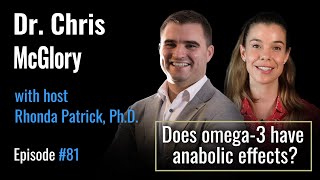
Chris McGlory, PhD, on the Anabolic Potential of Omega-3 Fatty Acids
Rhonda Patrick
“…with invaluable insights join us as we explore the power of omega-3 fatty acids on a whole new frontier which is their ability to enhance muscle preservation and Recovery before we dive into this conversation one last thing I want to mention is that the doses”

Dr. Andy Galpin: The Optimal Diet, Supplement, & Recovery Protocol for Peak Performance
Rhonda Patrick
“…ight right now, but uh not a big deal for us. What about So omega-3s? Um and I do want to talk about we're going to get into recovery and and supplements for performance as well, but omega-3s is another one. I mean, I personally, as you probably know, think th”
Dr. Bill Harris on the Omega-3 Index: Increasing Omega-3 to Promote Longevity & Transform Health
Rhonda Patrick
“…ations and fatty acid desaturates but they don't affect the omega-3s very much at all two or three percent variability explained by that so we don't know what it is um probably an even bigger variability is the variability uh in response to taking an omega-3 s”
How Micronutrients & Exercise Ameliorate Aging | Dr. Rhonda Patrick
Rhonda Patrick
“…d to be taking in what they're supposed to be eating so the omega-3 index is one of the best measures of Omega-3 so this was pioneered by um Dr Bill Harris and uh his calling Von shaki many years ago back in 2004 and um it's measuring omega-3 levels in red blo”
Dr. Bill Harris on the Omega-3 Index: Increasing Omega-3 to Promote Longevity & Transform Health
Rhonda Patrick
“benefits of omega-3 i just wish that strength had turned out with the same dose four grams a day of epa plus dha i wished it turned out but it didn't so you know you take a big risk in these trials right um and you kind of just mentioned what your your ideal t”
How Omega-3s May Slow Biological Aging (New Evidence)
Rhonda Patrick
“…l of the studies that I presented, even some of the initial omega-3 slowing biological aging, um the omega-3 index, you know, studies looking at 90% reduced, you know, sudden cardiac death. Those were really omega-3 intake and it was it was people that were ea”
How Omega-3s May Slow Biological Aging (New Evidence)
Rhonda Patrick
“…king into a grocery store and thinking, am I getting enough omega-3? Am I getting my fatty salmon? Am I am I getting enough seafood? Nobody's thinking about that. But they should be. It's very important for our health. So, let's talk about, you know, how we ca”
How Micronutrients & Exercise Ameliorate Aging | Dr. Rhonda Patrick
Rhonda Patrick
“Day omega-3 fatty acids um omega-3 index I'm getting the omega-3 index test you want your levels to be in the 8% you want to be High um and then there's been studies showing that it takes around two grams of supplemental omega-3 to get from a 4% omega-3 index”