Metformin and Longevity
Metformin is a widely-prescribed biguanide for type 2 diabetes that has emerged as a candidate longevity intervention in non-diabetics. It activates AMPK and inhibits mitochondrial complex I, with secondary effects on mTOR, inflammation, and senescence. The TAME trial tests whether metformin extends healthspan in non-diabetics. Recent evidence suggests metformin may blunt exercise-induced mitochondrial biogenesis and hypertrophy, complicating its use in physically active individuals.
Viewpoints

Rhonda Patrick: Metformin blunts exercise benefits in healthy individuals
Rhonda Patrick
“Randomized controlled trials have shown that metformin blunts the exercise-induced benefits in healthy, physically active people without type 2 diabetes, which is discouraging for its use as a longevity intervention. Rather than synergizing with exercise, metformin appears to abrogate its effects, and at least one study suggests exercise alone may outperform metformin on markers like insulin sensitivity or glucose regulation.”
Attia: Metformin does not improve insulin sensitivity and its mitochondrial mechanism is dose-dependent
Peter Attia
“Metformin is frequently mischaracterized as an insulin sensitizer, but insulin clamp studies demonstrate it does not improve insulin sensitivity. Its primary mechanism involves inhibition of mitochondrial complex I of the electron transport chain, though whether this occurs at clinical doses remains controversial — high doses clearly produce this effect, but therapeutic doses are less certain.”
Key Moments
Dom D'Agostino & Rhonda Patrick: Metformin as preventive cancer therapy and its safety profile
Rhonda Patrick
“Metformin may warrant consideration as a preventive therapy for cancer risk, given retrospective data showing type 2 diabetics on metformin have a 62% lower chance of developing pancreatic cancer. Long-term safety data exists from the large population on metformin, though risks include lactic acidosis at higher doses in those with renal or hepatic impairment, and vitamin B12 deficiency — a concern that compounds with age-related decline in B12 absorption.”

Attia & Guest: Metformin's geroprotective effects in non-diabetics remain unresolved
Peter Attia
“The oft-cited Bannister paper suggesting diabetics on metformin have lower mortality has significant methodological flaws that undermine its conclusions. Whether metformin is genuinely geroprotective in non-diabetic humans remains an interesting but unanswered question, and it would not have been the first drug chosen for longevity research if other options were available.”
Andrew Huberman: Transform Your Metabolic Health & Longevity by Knowing Your Unique Biology | Dr.
Andrew Huberman
“with insulin resistance and such, but I don't think we're fully there. But I want to correct something that you said. I mean, it's very much the case when you see someone who's thin, you can't assume they're not diabetic. This is very common, especially in South Asians to see then diabetics. Uh, and I'm a good example. No one would call me overweight by any definition, you know, I'm a diabetic and I have a beta cell defect. Uh, and I used to think a lot of people who are thin diabetics probably”
D'Agostino: Metformin's side effects and gut microbiome effects
Rhonda Patrick
“Metformin is generally considered safe at typical doses, but carries risks including lactic acidosis (especially with renal or hepatic impairment) and vitamin B12 deficiency, possibly due to transporter interference or accelerated gut transit. Research published in Nature suggests metformin favorably shifts the gut microbiome, which may partly explain its glucose-lowering effects in type 2 diabetes, opening new avenues for understanding its mechanisms.”
D'Agostino: Metformin causes mitochondrial stress and ROS production
Rhonda Patrick
“Metformin exerts its effects partly through inducing mitochondrial stress and dysfunction, including stimulating reactive oxygen species production — a mechanism analogous to hormesis. This raises the question of why metformin does not appear to impair exercise capacity or VO2 max, despite causing mitochondrial damage, which is a recognized phenomenon in the field.”
Dom D'Agostino: Metformin's mitochondrial stress as a hormetic mechanism for longevity and cancer
Rhonda Patrick
“Metformin induces mitochondrial stress and dysfunction by impairing complex I activity, which may paradoxically trigger beneficial hormetic adaptations similar to exercise. Beyond its mitochondrial effects, metformin's ability to lower blood glucose, activate AMPK, and reduce circulating insulin makes it a compelling candidate as both a cancer drug and a longevity intervention.”
D'Agostino: Metformin mimics caloric restriction via AMPK/mTOR and may work best when cycled
Rhonda Patrick
“Metformin activates AMPK and suppresses mTOR, mimicking many of the same signaling pathways associated with caloric restriction and fasting, though the degree to which it replicates extended fasting remains unclear. Beyond its glucose-lowering effects, metformin may favorably shift the gut microbiome, which could partly explain its metabolic benefits. Rather than continuous use, pulsing metformin a few times per year may be the optimal strategy, consistent with the general principle that metabolic interventions tend to work better when cycled.”
Attia: Awaiting TAME trial results before finalizing metformin stance
Peter Attia
“The question of whether non-diabetics should take metformin for longevity remains open, with the TAME trial—a randomized controlled study of metformin versus placebo in non-diabetics measuring specific disease outcomes—positioned as the definitive test. If the TAME trial shows zero protective benefit, the current case for metformin as an anti-aging intervention would need to be fundamentally reconsidered.”
Attia: Metformin's limited role for insulin-sensitive, exercising individuals
Peter Attia
“Metformin remains a valuable drug for insulin-resistant patients, but its utility for insulin-sensitive individuals who exercise regularly is questionable given evidence that it attenuates exercise performance (via lactate production), hypertrophy, and strength gains. The ongoing TAME trial, which randomizes non-diabetics to metformin versus placebo and tracks disease outcomes, is expected to provide more definitive evidence on whether metformin offers longevity benefits beyond glucose management. Until those results are available, appropriate humility is warranted, balanced against the existing epidemiological and animal data supporting some protective effects.”
Rhonda Patrick: Overview of metformin's longevity hypothesis and current trials
Rhonda Patrick
“Metformin gained longevity interest after observations that diabetic patients taking it appeared to outlive non-diabetic controls, raising the question of whether it might extend lifespan in healthy individuals as well. The TAME trial and related studies are now attempting to formally test metformin as a systemic aging intervention. Proposed mechanisms include improvements in metabolic regulation and proteostasis, though the field remains partly phenomenological as researchers move toward active, mechanistic anti-aging interventions.”
Rhonda Patrick: Metformin's anti-aging potential is undermined by poor lifestyle choices
Rhonda Patrick
“Metformin is one of the few available compounds with evidence for slowing aging, but its benefits are substantially limited when paired with a high-sugar diet or sedentary lifestyle. Medications like Metformin may extend lifespan marginally, but they cannot compensate for the root causes of metabolic disease, and quality of life remains poor without addressing underlying lifestyle factors.”
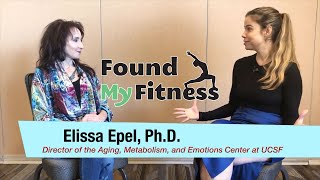
Elissa Epel: Metformin's anti-aging effects are undermined by poor lifestyle choices
Rhonda Patrick
“Metformin is one of the few pharmaceutical agents with evidence for slowing aging, but its benefits are substantially diminished when taken alongside a high-sugar diet or sedentary lifestyle. Drug interventions for longevity cannot compensate for the large negative effects of toxic lifestyle factors, making lifestyle modification a prerequisite for pharmacological anti-aging strategies to be effective.”
Powered by Symmerai — a living index of public discourse. Request early access →
Related concepts
Other relevant clips

Supplements for Longevity & Their Efficacy | Dr. Peter Attia
Andrew Huberman
“…gevity so if you're interested in things like rap amise and Metformin and whether or not fasting can improve longevity we get into that as well before we begin I'd like to emphasize that this podcast is separate from my teaching and research roles at Stanford”
270 ‒ Journal club with Andrew Huberman: metformin, power of belief, & how to read scientific papers
Peter Attia
“…there's no clear explanation for it unless you believe that metformin is doing something Beyond helping you lower blood glucose because the difference in blood glucose between these two people was still in favor of the non-diabetics so again the proponents of”
Transform Your Metabolic Health & Longevity by Knowing Your Unique Biology | Dr. Michael Snyder
Andrew Huberman
“…re now you know you may know that people used to talk about metformin this diabetes drug as potentially the longevity drug that this may be the way to live a lot longer healthier. Um and the side effects are not high as far as we know if if at all for most peo”
Valter Longo, Ph.D. on Fasting-Mimicking Diet & Fasting for Longevity, Cancer & Multiple Sclerosis
Rhonda Patrick
“…is so much observation. But that doesn't mean that even for metformin, where all the observation is for diabetic patients and given to somebody that is completely healthy, that may turn out to generate some problems that we did not see in the diabetic populati”
Dominic D'Agostino, Ph.D. on Modified Atkins Diet, Keto-Adaptation, Ketosis & More
Rhonda Patrick
“But I approached it from the perspective that metformin could lower blood glucose at least if it was high and it activated AMP kinase, and it may decrease circulating insulin. So I approached it as a cancer drug from that perspective, but the more conferences”
333 ‒ Longevity roundtable—the science of aging, geroprotective molecules, & lifestyle interventions
Peter Attia
“…nges and I think it's about time to get away from what does metformin do to the body or any of these drugs for that matter and start to think what does it do to each of the interesting players and how they talk to one another um someone in my lab has been look”

272 ‒ Rapamycin: potential longevity benefits, surge in popularity, unanswered questions, and more
Peter Attia
“…een some studies where people have looked at the effects of metformin on exercise both resistance training and uh cardiovascular training yeah and I I'd say the data is unclear although there is some reason to think that metformin might impair the what people”
333 ‒ Longevity roundtable—the science of aging, geroprotective molecules, & lifestyle interventions
Peter Attia
“…'s quite possible that the trial will be successful even if metformin is not a effective ger therapeutic and the opposite is also true right it may not succeed for a variety of reasons that clinical trials don't succeed I sort of agree with Steve like I'm I'm”