Cancer Prevention and Lifestyle
An estimated 40-50% of cancers are attributable to modifiable lifestyle factors including diet, physical activity, obesity, and smoking. Exercise reduces cancer risk through multiple pathways: reducing circulating insulin and IGF-1, improving immune surveillance, and reducing inflammation. Dietary phytochemicals including sulforaphane, quercetin, and polyphenols activate detoxification enzymes via NRF2 that neutralize DNA-damaging carcinogens before they can initiate mutations. Time-restricted eating and caloric reduction lower cancer-promoting growth factors. For cancer survivors, exercise is now considered a standard-of-care adjunctive intervention.
Viewpoints

Kerry Courneya: exercise reduces cancer risk and substantially improves outcomes in cancer patients
Kerry Courneya
“Exercise epidemiology shows a clear dose-response relationship between physical activity and reduced incidence of at least 13 cancer types, with the strongest evidence for colon, breast, and endometrial cancers. For cancer patients, exercise during treatment reduces fatigue, maintains muscle mass, and appears to improve chemotherapy tolerance and survival outcomes in randomized trials. The mechanisms include reduced circulating estrogen, insulin, and IGF-1; improved natural killer cell activity against tumor cells; and systemic anti-inflammatory effects. Exercise is increasingly recognized as medicine in oncology.”
Ruth Patterson: time-restricted eating reduces cancer-promoting metabolic factors and improves outcomes
Ruth Patterson
“Epidemiological and clinical data link night-time eating and short overnight fasting windows to increased cancer risk, particularly breast cancer. Ruth Patterson's research shows that women who fasted fewer than 13 hours nightly had significantly higher risk of breast cancer recurrence compared to those fasting 13 or more hours. The mechanism involves reduction of circulating insulin and glucose during the fasting window, which limits the metabolic substrate available for tumor growth. Aligning eating patterns with daytime circadian biology reduces cancer-promoting insulin signaling and improves metabolic biomarkers.”
Key Moments
Kerry Courneya: resistance training during chemotherapy preserves muscle mass and improves treatment tolerance
Kerry Courneya
“Cancer-related muscle wasting (cachexia) is a major predictor of treatment failure and mortality. Randomized trials by Courneya show that supervised resistance training during chemotherapy for breast cancer significantly preserved lean body mass, reduced treatment-related fatigue, and improved completion rates of the full chemotherapy course compared to controls. Higher muscle mass correlates with better drug pharmacokinetics and reduced toxicity. These findings have contributed to oncology guidelines recommending exercise as a standard component of cancer care rather than rest and inactivity.”
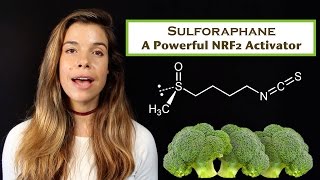
Rhonda Patrick: cruciferous vegetables and sulforaphane neutralize carcinogens through NRF2-driven detoxification
Rhonda Patrick
“Daily exposure to environmental and dietary carcinogens creates a chronic burden of DNA damage that initiates cancer when repair systems are overwhelmed. Sulforaphane from broccoli sprouts activates NRF2, which upregulates phase II detoxification enzymes — including glutathione S-transferases and NQO1 — that conjugate reactive carcinogens for elimination before they can damage DNA. Epidemiological studies consistently show inverse associations between cruciferous vegetable consumption and lung, colorectal, and bladder cancer risk, with the strongest effects in individuals with polymorphisms that reduce endogenous detoxification capacity.”
Powered by Symmerai — a living index of public discourse. Request early access →
Related concepts
Other relevant clips

Dr. Peter Attia on Mastering Longevity – Insights on Cancer Prevention, Heart Disease, and Aging
Rhonda Patrick
“…ct when you talk about it globally the gap between asbd and cancer is even bigger it's like 19 million people annually to 12 or 13 million for cancer I mean it's an enormous difference um but the good news is our understanding mechanistically of what drives th”
Ruth Patterson, Ph.D. on Time-Restricted Eating in Humans & Breast Cancer Prevention
Rhonda Patrick
“…ople have in their minds, at least in the context of breast cancer, many women think about risk factors being genetic, you know, there are certain gene polymorphisms which are variations in the sequence of DNA that alter the function somewhat that can put a wo”
The Science of Exercise for Cancer | Kerry Courneya, PhD
Rhonda Patrick
“about why effortful exercise is not only beneficial for cancer but also for health in general yeah as as you know from previous podcast exercise has a lot of benefits for the cardiovascular system the muscular system the immune system uh and many other organs”
Dr. Peter Attia on Mastering Longevity – Insights on Cancer Prevention, Heart Disease, and Aging
Rhonda Patrick
“…enough sleep help balance right exactly um when it comes to cancer prevention you know you you talk a lot and outlive about cancer screening aggressive cancer screening yeah so can you talk a little bit about weighing the benefits versus is the risk of that ty”
The Science of Exercise for Cancer | Kerry Courneya, PhD
Rhonda Patrick
“…se lifestyle chances really can reduce your risk of getting cancer if if someone had limited time and resources in the sort of 802 cents so if you were going to put in 20% of your effort to kind of get 80% of the reward do you think that you know what are some”
Ruth Patterson, Ph.D. on Time-Restricted Eating in Humans & Breast Cancer Prevention
Rhonda Patrick
“…the...and even tobacco can increase...some increases breast cancer risk. So there's many things individual women can do to reduce their risk. [Rhonda]: I was reading, I think it may be the American Cancer Association had published some statistics on how obesit”
Jed Fahey, Sc.D. on Isothiocyanates, the Nrf2 Pathway, Moringa & Sulforaphane Supplementation
Rhonda Patrick
“…autism or Helicobacter colonization or the risk of various cancers, for example, or asthma, or air pollution injury. I think there's a very real possibility that we can make a difference. I mean, when you talk about things like cancer prevention, if I invent”

The Truth About Alcohol: Risks, Benefits, and Everything In-Between
Rhonda Patrick
“…ispositions this is particularly relevant in the context of cancer with that in mind it's time to talk about alcohol and cancer epidemiological evidence has implicated alcohol as a cause of cancer alcohol consumption is associated with a higher risk for Oro fa”