Blood Sugar Control and Insulin Resistance
Chronic hyperglycemia and insulin resistance are central drivers of metabolic syndrome, type 2 diabetes, cardiovascular disease, and accelerated brain aging. The modern diet — rich in refined carbohydrates and ultra-processed foods — produces repeated large glucose excursions that exhaust pancreatic beta cells, promote ectopic fat deposition, and drive systemic inflammation. Continuous glucose monitoring has revealed dramatic individual variability in glycemic responses to identical foods. Exercise, time-restricted eating, dietary fiber, and protein timing are among the most evidence-based strategies for improving insulin sensitivity and flattening postprandial glucose spikes.
Viewpoints

Rhonda Patrick: exercise is one of the most powerful interventions for improving insulin sensitivity
Rhonda Patrick
“A single bout of aerobic or resistance exercise increases insulin-independent glucose uptake into muscle via GLUT4 transporter translocation, lowering blood glucose for up to 48 hours. Chronic exercise training increases GLUT4 expression, mitochondrial density, and insulin receptor sensitivity in skeletal muscle — the largest site of glucose disposal in the body. Regular physical activity can prevent progression from prediabetes to type 2 diabetes, and for those already diabetic, is more effective than most medications at improving HbA1c.”
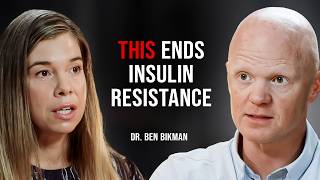
Ben Bikman: chronic hyperinsulinemia — not just hyperglycemia — is the primary driver of metabolic disease
Ben Bikman
“The dominant paradigm in metabolic medicine focuses on elevated blood glucose as the primary culprit in type 2 diabetes and cardiovascular disease. Ben Bikman argues that hyperinsulinemia — chronically elevated insulin driven by frequent carbohydrate consumption — is the upstream cause, as the body raises insulin to manage glucose long before fasting glucose rises into diabetic range. Elevated insulin independently promotes fat storage, inhibits fat oxidation, drives hypertension, and stimulates tumor-promoting growth pathways including mTOR and IGF-1. Measuring fasting insulin provides a more sensitive early warning than glucose alone.”
Key Moments

Martin Gibala: high-intensity exercise uniquely improves insulin sensitivity through AMPK and mitochondrial adaptation
Martin Gibala
“High-intensity exercise activates AMPK (AMP-activated protein kinase) more potently than low-intensity exercise, driving rapid GLUT4 translocation and acute glucose uptake. Repeated sprint or interval sessions also produce mitochondrial adaptations that improve oxidative capacity and reduce reliance on anaerobic glycolysis, contributing to better long-term insulin sensitivity. HIIT produces insulin sensitivity improvements comparable to much longer moderate-intensity sessions, making it an especially time-efficient intervention for metabolic health — a key advantage for those with limited exercise time.”

Michael Snyder: continuous glucose monitoring reveals extreme individual variability in glycemic responses
Michael Snyder
“Continuous glucose monitoring (CGM) studies show that glycemic responses to identical meals vary dramatically across individuals — the same food can spike blood sugar in one person and produce a flat response in another. This variability is driven by differences in gut microbiome composition, genetics, fitness level, sleep quality, and prior meal context. CGM data reveal that many self-described healthy individuals have unexpectedly large postprandial glucose spikes that would not be identified by standard fasting glucose or HbA1c tests, enabling personalized dietary adjustments that standard metrics would miss.”
Powered by Symmerai — a living index of public discourse. Request early access →
Related concepts
Other relevant clips
Stuart Phillips, PhD, on Building Muscle with Resistance Exercise and Reassessing Protein Intake
Rhonda Patrick
“…means is that when you turn on insulin, you usually open up blood vessels to allow flow to happen. And what we think happens with aging is that response becomes just a little bit less sensitive. You're not insulin resistant from the perspective of blood sugar,”
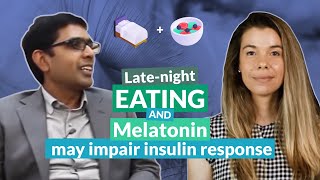
Late-night eating and melatonin may impair insulin response
Rhonda Patrick
“from pancreas and glucose may stay high in the blood circulation for a long time and this study this kind of studies came to publication because almost 10 years ago large genome-wide Association studies found that people with obesity or diabetes might have a m”
Dr. Ben Bikman: How To Reverse Insulin Resistance Through Diet, Exercise, & Sleep
Rhonda Patrick
“…umer. So you are you're clearing the glucose out far of the blood far worse less readily than you were before resulting in a hypoglycemia. When the liver becomes insulin resistant insulin can no longer inhibit glycogenolysis. So normally one of the mechanisms”
Dr. Ben Bikman: How To Reverse Insulin Resistance Through Diet, Exercise, & Sleep
Rhonda Patrick
“affect blood glucose to bring it down. But the alpha cell can become insulin resistant. Dr. Roger Unger at UT Southwestern over years published a series of mind-blowingly cool papers finding that in type 1 diabetes if you just control the glucagon excess you d”
Late-night eating and melatonin may impair insulin response
Rhonda Patrick
“…the pancreas to stop producing insulin that means that our blood glucose levels will remain elevated because glucose is not getting taken up into our cells I previously had a discussion with the expert on time restricted eating dr. Sachin panda and he discuss”
Dr. Mark Mattson on the Benefits of Stress, Metabolic Switching, Fasting, and Hormesis
Rhonda Patrick
“…l weight healthy humans. Looking at some health indicators, blood glucose levels and insulin, and looking at ability to maintain and build muscle mass, so resistance training studies, several published studies where they found that with daily time-restricted e”

The Truth About Alcohol: Risks, Benefits, and Everything In-Between
Rhonda Patrick
“…is could be one reason why alcohol consumption might affect blood sugar control and insulin sensitivity in several ways firstly alcohol is thought to potentially improve insulin sensitivity this could be due to its anti-inflammatory effects or through influenc”

Dr. Peter Attia on Mastering Longevity – Insights on Cancer Prevention, Heart Disease, and Aging
Rhonda Patrick
“vessels elevated levels of insulin are damaging to large blood vessels so the eyes the kidneys the microvasculature of the heart and the brain are very susceptible to high levels of glucose the larger blood vessels of the heart the aorta the iliac vessels card”