Lipoproteins, Cholesterol, and Cardiovascular Risk
LDL particle number and apolipoprotein B are stronger predictors of atherosclerosis than standard LDL cholesterol. Small dense LDL penetrates the arterial wall more readily; HDL-mediated reverse cholesterol transport removes excess cholesterol. ApoB is now considered the primary causal driver of cardiovascular disease and the key treatment target.
Viewpoints
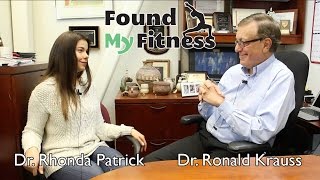
Dr. Ronald Krauss on LDL Cholesterol, Particle Size, Heart Disease & Atherogenic Dyslipidemia
Ronald Krauss
“LDL particle number and apolipoprotein B are far more accurate predictors of cardiovascular risk than standard LDL cholesterol — small dense LDL is particularly atherogenic regardless of total cholesterol level.”

Dr. Peter Attia on Mastering Longevity - Insights on Cancer Prevention, Heart Disease & More
Peter Attia
“Apolipoprotein B is the single best marker of atherogenic risk and should be the primary target of cardiovascular prevention — focusing on LDL-C alone leaves significant residual risk from small dense particles unaddressed.”
Key Moments
Dr. Ronald Krauss on LDL Cholesterol, Particle Size, Heart Disease & Atherogenic Dyslipidemia
Ronald Krauss
“Dietary fat quality shifts LDL particle size distribution: saturated fat increases small dense LDL, while replacing fat with refined carbohydrates may paradoxically worsen the atherogenic lipoprotein profile by raising triglycerides and lowering HDL.”

CHORIBar in Focus: Effects on Cholesterol Profile
Rhonda Patrick
“CHORIBar consumption significantly improved HDL cholesterol, reduced small dense LDL particles, and shifted the overall lipoprotein profile toward a less atherogenic pattern — illustrating how targeted nutrition can modulate cardiovascular risk markers directly.”
Powered by Symmerai — a living index of public discourse. Request early access →
Related concepts
Other relevant clips
Dr. Ronald Krauss on LDL Cholesterol, Particle Size, Heart Disease & Atherogenic Dyslipidemia
Rhonda Patrick
“…ol. And the good cholesterol was thought to be high-density lipoproteins or HDL, the bad cholesterol was thought to be low-density or in low-density lipoproteins or LDL. But we know now, from your research and other people's research, that it's much, much more”
Dr. Ronald Krauss on LDL Cholesterol, Particle Size, Heart Disease & Atherogenic Dyslipidemia
Rhonda Patrick
“…holesterol, and also high levels of these triglyceride-rich lipoproteins and their remnants. These partially broken down VLDL particles are called remnants. All of these things contribute to atherosclerosis risk. So it's a collective of this axis of interrelat”
Dr. Peter Attia on Mastering Longevity – Insights on Cancer Prevention, Heart Disease, and Aging
Rhonda Patrick
“highdensity lipoproteins they're much more complicated than apobs believe it or not and there are many of them um but nevertheless broadly speaking that's what's going on so why do we care about all this stuff well in the 1950s when it became clear that choles”
CHORIBar in Focus: Effects on Cholesterol Profile
Rhonda Patrick
“…HDL particle sizes. If they're large, it means that reverse cholesterol transport is occurring. When there's inflammation that is driving cardiovascular disease, that reverse cholesterol fun uh cholesterol uh transport is not occurring. and the HDL particle re”
Dr. Peter Attia on Mastering Longevity – Insights on Cancer Prevention, Heart Disease, and Aging
Rhonda Patrick
“…a rtic cardiovascular disease that you're talking about so lipoproteins you mentioned and you know there the most people know they hear about lipoprotein they hear about LDL or htl um but apob B why should people know about apop well again I think it's worth”
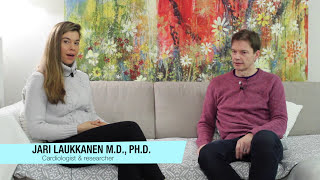
Dr. Jari Laukkanen on Sauna Use for the Prevention of Cardiovascular & Alzheimer’s Disease
Rhonda Patrick
“…ty, you looked for people...like obesity, smoking, alcohol, cholesterol, type 2 diabetes, these sort of factors? [Jari]: Yeah. [Rhonda]: If I remember correctly, you also looked at socioeconomic status and physical activity, which is important. So these were a”
Dr. Jari Laukkanen on Sauna Use for the Prevention of Cardiovascular & Alzheimer’s Disease
Rhonda Patrick
“…we have overall cardiovascular disease death as an outcome and then, also, all-cause mortality. And there was significant association with all these outcomes. [Rhonda]: Right. We'll get to all-cause mortality in just a minute, but I kinda want to talk about t”
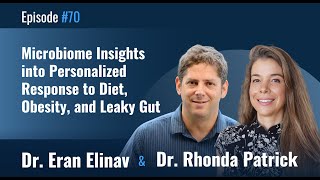
Dr. Eran Elinav on Microbiome Insights into Personalized Response to Diet, Obesity, and Leaky Gut
Rhonda Patrick
“…markers that indicate cardiovascular disease risk like high cholesterol, LDL cholesterol, for example...? There's conflicting data where it's not always bad, but it does seem to be bad. So is there a microbiome component like in the way your body responds to s”